


 1
1title: Morning in the Woods - Currier and Ives
artist: Currier and Ives
source: Corel Professional Photos CD-ROM
credit: Corel Professional Photos CD-ROM
license:Public domain
 2
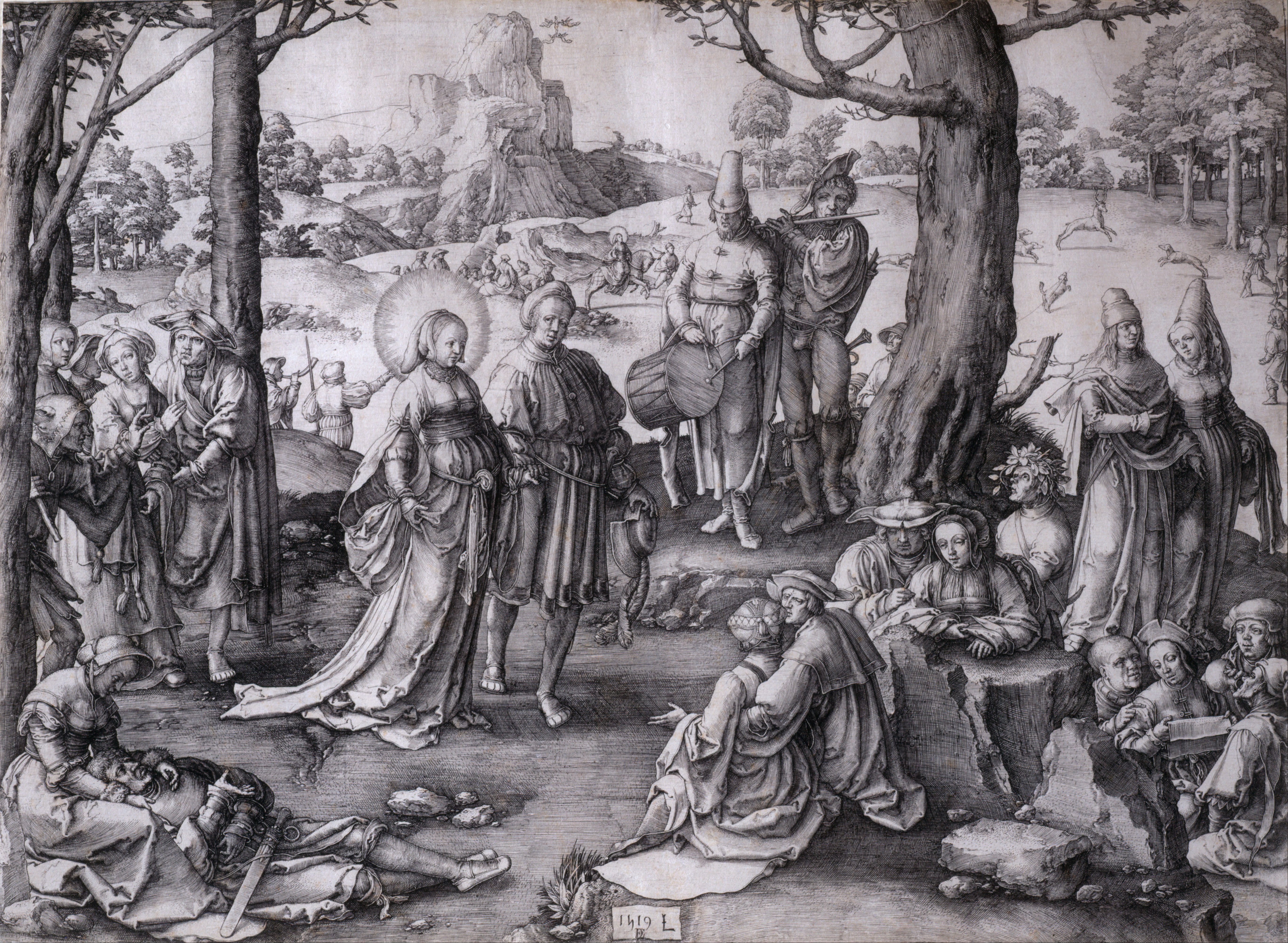
2title: Lucas van Leyden The Dance of Saint Mary Magdalene - Google Art Project
artist: Lucas van Leyden
date: 1519
medium: en engraving
dimensions: w403 x h297 in
current location: Philadelphia Museum of Art
credit: vgHfMImym54avw at Google Cultural Institute maximum zoom level
license:Public domain
 3
3title: Paillettes de glace eclairées par les rayons du soleil observées en ballon LCCN2003662002
artist: unknown
date: between 1870 and 1880
dimensions: 1 print : wood engraving.
source: link
credit: link
license:Public domain
 4
4title: MyfanwyMacLeod WoodForThePeople
artist:
Myfanwy MacLeoddate: 2002
medium: concrete
current location: Collection of the Morris and Helen Belkin Art Gallery, The University of British Columbia.
source: Morris and Helen Belkin Art Gallery
license:


 CC BY-SA 4.0
 5
5title: Portrait de M. L. E. Barrias, statuaire, membre de l'Institut
artist:
Quesnel (Graveur)date: Unknown date
medium: Technique woodcut / Technique wood engraving
current location: Institution:Bibliothèque interuniversitaire de santé
source: Wikimedia France - BIU Santé
credit: This work is free and may be used by anyone for any purpose. If you wish to use this content, you do not need to request permission as long as you follow any licensing requirements mentioned on this page.
Wikimedia Foundation has received an e-mail confirming that the copyright holder has approved publication under the terms mentioned on this page. This correspondence has been reviewed by an OTRS member and stored in our permission archive. The correspondence is available to trusted volunteers .
If you have questions about the archived correspondence, please use the OTRS noticeboard.license:
Licence Ouverte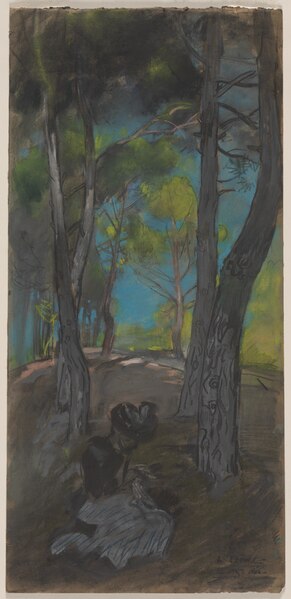 6
6title: Auguste Louis Lepère Lotz - 2009.127 - Cleveland Museum of Art
artist:
Auguste Louis Lepèredate: 1900
medium: Pastel
dimensions: Sheet: 55.6 x 26.5 cm (21 7/8 x 10 7/16 in.)
current location: institution:Cleveland Museum of Art
source: link
credit: link
description:
Although celebrated as the leader of the creative revival of wood engraving in late 19th-century France, Lepère was also a painter who used pastel to make studies directly from nature. This study of a woman sewing is inscribed to the artist's friend, Lotz-Brissonneau, who in 1905 authored the catalogue raisonné of Lepère's graphic work.license:
 CC0
CC0 7
7title: Edward Calvert The Sheep of His Pasture - 1929.138 - Cleveland Museum of Art
artist:
Edward Calvertdate: 1828
medium: wood engraving
current location: institution:Cleveland Museum of Art
source: link
credit: link
description:
Calvert was so influenced by William Blake's wood engravings that The Sheep of his Pasture is directly based on an illustration for The Pastorals of Virgil (on view nearby). Calvert, however, even more than Blake, exploited the ability of wood engraving to achieve the most delicate detail, so astonishing in these miniatures.
Calvert's subject matter originated from a vision of the golden age of pastoral innocence and abundance that has both Christian and classical overtones. The women in The Brook resemble figures carved on antique gems, and the tree stumps symbolize the transitory nature of life.license:
CC0 8
8title: Edward Calvert The Brook - 1929.173 - Cleveland Museum of Art
artist:
Edward Calvertdate: 1829
medium: wood engraving
current location: institution:Cleveland Museum of Art
source: link
credit: link
description:
Calvert was so influenced by William Blake's wood engravings that The Sheep of his Pasture is directly based on an illustration for The Pastorals of Virgil (on view nearby). Calvert, however, even more than Blake, exploited the ability of wood engraving to achieve the most delicate detail, so astonishing in these miniatures.
Calvert's subject matter originated from a vision of the golden age of pastoral innocence and abundance that has both Christian and classical overtones. The women in The Brook resemble figures carved on antique gems, and the tree stumps symbolize the transitory nature of life.license:
CC0 9
9title: Auguste Louis Lepère The Festival of 14 July, Illumination of the Place of the Republic (after H - 2007.250 - Cleveland Museum of Art
artist:
Auguste Louis Lepèredate: 1880
medium: wood engraving
dimensions: Sheet: 36.8 x 51.7 cm (14 1/2 x 20 3/8 in.); Image: 31.4 x 45.3 cm (12 3/8 x 17 13/16 in.)
current location: institution:Cleveland Museum of Art
source: link
credit: link
license:
CC0
title: The burthens of plenty (BM 1877,1013.872)
artist: unknown
date: 1777
medium: paper
dimensions: : Height: 228 millimetres : Width: 322 millimetres
current location: Institution:British Museum
source: link
credit: link
description: An enormously fat man walks (left to right.) towards an eating-house followed by a lean and ragged man bent with the weight of a basket laden with food which he carries on his head and shoulders. The fat man is walking with a wheelbarrow, which he uses to support his enormously projecting stomach; the barrow is partly supported by straps which go over his shoulders and across his stomach. He mops his forehead with his left hand. He wears a tie-wig, a laced coat and waistcoat, and is evidently intended for a rich and vulgar citizen. His porter is dressed in rags, with bare legs and toes projecting through his shoes; he carries one wine-bottle in his right hand, two more under his right arm; his basket, supported on a large pad or cushion, contains a turtle, a hare, two snipe, a haunch of venison (?), and three bottles. The fat man is about to enter a door over which is a sign, "Good eating & cool rooms". This hangs from a projecting beam with pulleys; from it three barrels are also hung as a sign. Over the door is inscribed "Wines". Behind the ragged man is a row of tenement houses, whose nature is indicated by the nearest one. A ladder leads down to its cellar over the door of which is written "Dinners & shirt wash'd for 2 pence". Above the first-floor window is a large notice, "Shafe & Cut hear"; from it projects a barber's pole. Above the second-floor window is "I. Nabbem Taylor." 24 February 1777
Etchinglicense:Public domain








.jpg)