 MENU
MENU



 1
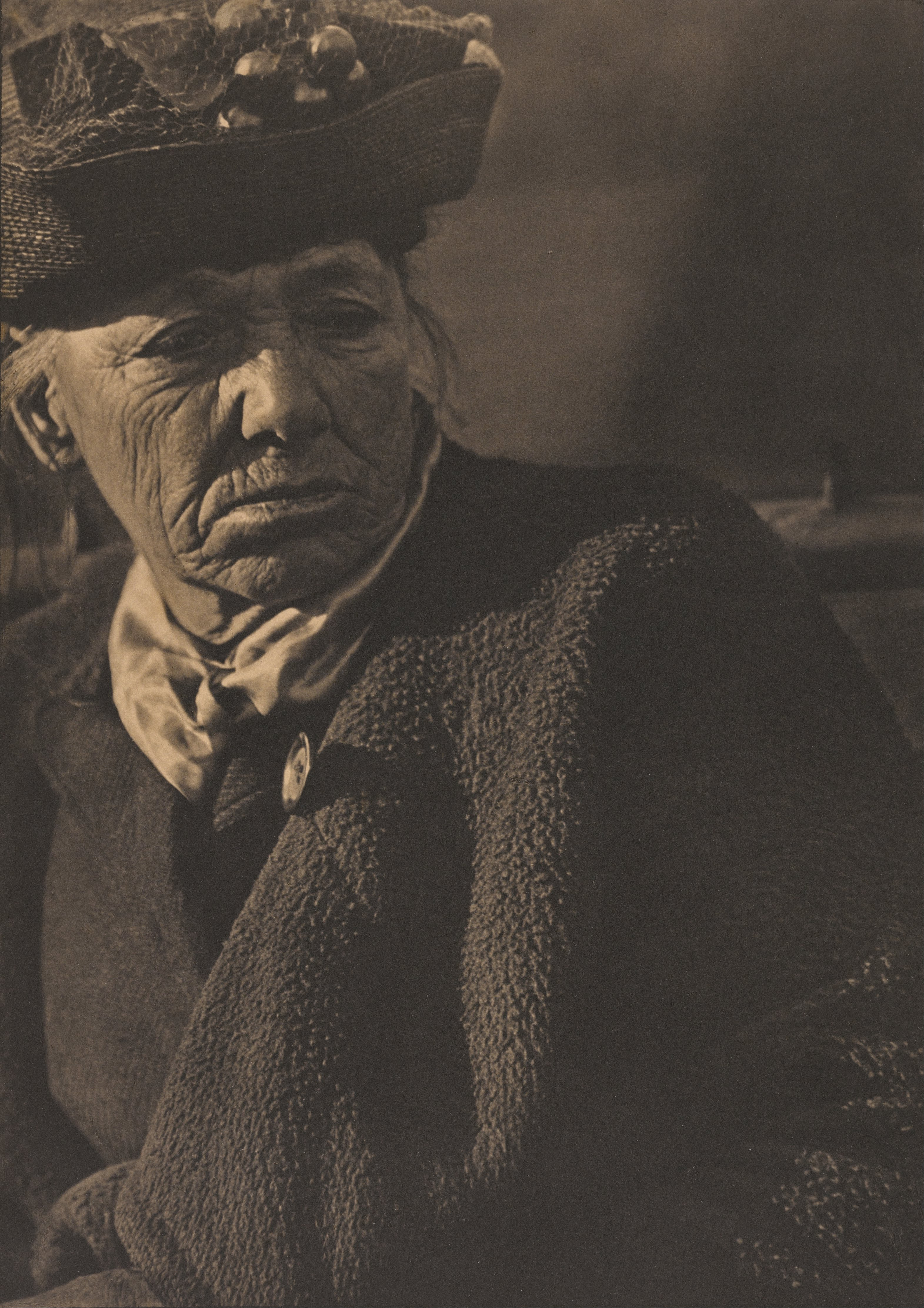
1title: <div class="fn"> <span ><span dir="ltr" lang="en"><i>Portrait - New York</i></span></span><div style="display: none;">title QS:P1476,en:"Portrait - New York"</div> <div style="display: none;">label QS:Len,"Portrait - New York"</div> </div>
artist: <bdi><a href="https://en.wikipedia.org/wiki/en:Paul_Strand" class="extiw" title="w:en:Paul Strand"><span title="American photographer">Paul Strand</span></a> </bdi>
date: 1916<div style="display: none;">date QS:P571,+1916-00-00T00:00:00Z/9</div>
dimensions: w237 x h333 cm
current location: The J. Paul Getty Museum
credit: <a rel="nofollow" class="external text" href="//www.google.com/culturalinstitute/asset-viewer/AQE9KabIYWv2yA">AQE9KabIYWv2yA at Google Cultural Institute</a> maximum zoom level
license:Public domain
 2
2title: Wall Street, New York
artist: <bdi><a href="https://en.wikipedia.org/wiki/en:Paul_Strand" class="extiw" title="w:en:Paul Strand"><span title="American photographer">Paul Strand</span></a> </bdi>
date: 1915<div style="display: none;">date QS:P571,+1915-00-00T00:00:00Z/9</div>
medium: photogravure
dimensions: size cm 25.2 32.2
current location: Institution:Private collection
source: [https://onlineonly.christies.com/s/america-the-beautiful/wall-street-and-five-others-from-camera-work-no-48-1919-63/25735]
credit: <a rel="nofollow" class="external autonumber" href="https://onlineonly.christies.com/s/america-the-beautiful/wall-street-and-five-others-from-camera-work-no-48-1919-63/25735">[1]</a>
description: <u style="background-color:yellow;" class="">paul</u> <u style="background-color:yellow;" class="">strand</u> took this photograph from the steps of the New York Federal Hall during morning rush hour. The recently completed building of white marble at 23 Wall Street (on the southeast corner of Wall and Broad Streets) was located in one of the most expensive areas of real estate in New York City. A symbol of financial power, it was the new headquarters of J.P. Morgan and Company. The photograph grew out of what the artist described as an attempt to capture a “kind of movement” that was at once “abstract and controlled.” The long horizontal shadows of the figures counterpose the yawning dark verticals of the Morgan Bank’s windows, and the dynamism of their movement plays off of the building’s solidity. While this image evokes the tenor of urban existence in early twentieth century America, it is just as important for its abstract formal patterns and structures, which <u style="background-color:yellow;" class="">strand</u> believed were uncovered by the camera’s objectivity. The photograph can be seen as the quintessential representation of the uneasy relationship between early twentieth-century Americans and their new cities. Here the people are seen not as individuals but as abstract silhouettes trailing long shadows down the chasms of commerce. The intuitive empathy that <u style="background-color:yellow;" class="">strand</u> demonstrates for these workers of New York's financial district would be evident throughout the wide and varied career of this seminal American photographer and filmmaker, who increasingly became involved with the hardships of working people around the world. In this and his other early photographs of New York, <u style="background-color:yellow;" class="">strand</u> helped set a trend toward pure photography of subject and away from the "pictorialist" imitation of painting.
license:Public domain